Burden of truth cast, burden of unrelenting justice, burden of disease, the impact of technology on security, burden of proof definition, burden of proof fallacy, burden of proof tv show, burden of proof hbo, threats of technology to security and safety, technology advances burden, burden of proof, burden of dreams, burden of proof starfield, burden of dreams boulder, burden of technology, burden of truth.
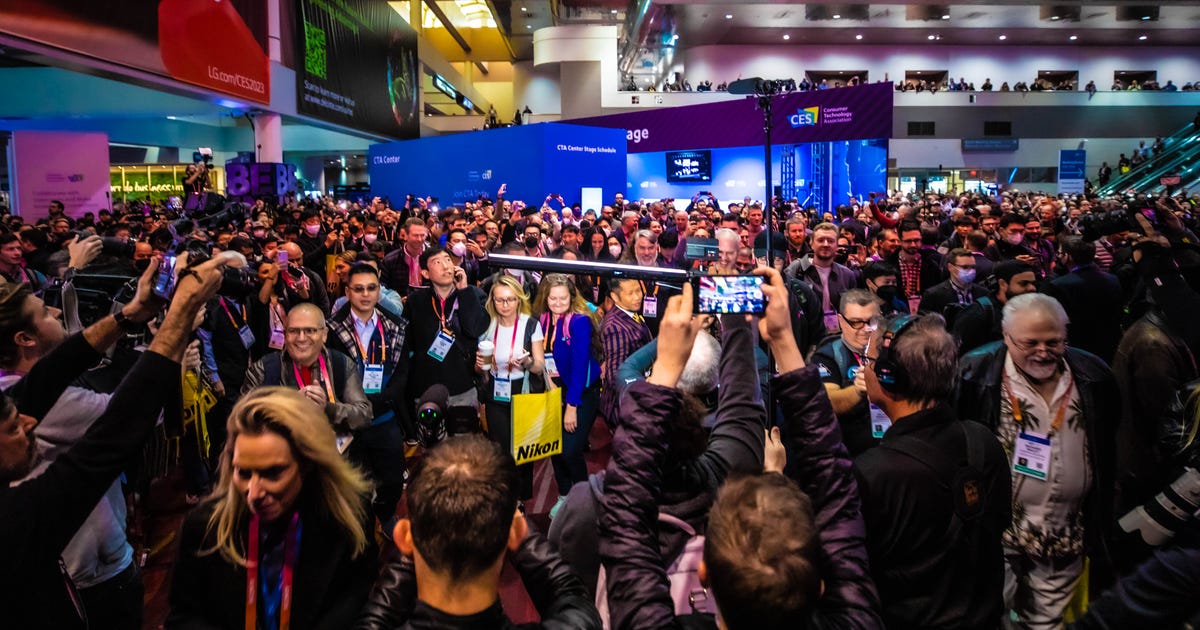
It's easy to get caught up in the flashy and futuristic tech well-ordered out at CES. Where else are you going to see flying cars, toilets that test your pee and so, so many robots?
That all may seem incredibly cool. But that new tech, which is often collecting oodles of personal data from untold numbers of consumers, highlights the need for tech companies to make safety and privacy the priority and to build it in from the get-go.
Often, when it comes to tech design, data protection affairs are pushed to the back burner in favor of attractive new features, keeping costs low and getting the tech to market fleet, Jen Easterly, director of the US Cybersecurity and Infrastructure Security Agency, said during a CES panel.
That's partially due to a lack of accountability from both the government and the republican in general.
"We don't seem to be recognizing that as a primary safety issue," Easterly said, adding that while companies have lots of incentives to make products cheaply and fleet, there isn't a lot out there to entice them to make them safe.
That, unfortunately, puts the burden of securing technology on consumers, who are least able to understand cyberthreats and protecting themselves against them, Easterly said.
CrowdStrike CEO George Kutz, saying on the CES panel, said average people shouldn't have to deem about security beyond the most basic of levels.
When consumers buy a portion of tech, such as a home security camera, they should get some kind of guarantee that it'll be fetch and supported with software updates for a certain amount of time, say five ages, Kutz said. After that, they might be on their own, but they won't have to deem about it in the meantime.
"Until there's some still of oversight and regulation and, you know, some sort of slow practice in how people purchase these things and how they look at safety as a differentiator, you're going to have the same situations occur over and over," Kurtz said.
Dan Berte, head of internet of things research for Bitdefender, said it wouldn't be asking a lot for tech concerns to secure and support their products for at least a few years.
Berte's team consumed much of the last year dissecting vulnerabilities in some brands of internet-connected cameras. They discovered security problems in some products, which they then reported to the companies, but he said it was a battles to get many of those companies to acknowledge and fix those problems.
"I judge responsibility should be required by law -- that you gave instant patching and support for three years, especially if a vulnerability is reported," Berte said in an interview with CNET.
Companies that fail to do this must be fined, and repeat offenders should have their products pulled from the market, he said.
If nothing else, tech companies should be obligatory to be transparent with consumers about what their technology consumes in terms of security protections, just like how food makers are obligatory to list ingredients in their products, Eastery said.
That way country will have a better chance at making smart choices around what kinds of tech they bring into their homes. That transparency also could push tech companies to put more emphasis on safeguarding their products by default, she said.
"Technology companies are actually pushing and trying to get there, but from a consumer perspective we really need to be demanding better security in our products," Easterly said.
Source


